Mortgage Refinancing
Mortgage Refinancing in Langley, BC
Refinancing can give you access to home equity, help restructure debt, fund renovations, or change a mortgage that no longer fits. The important question is whether making the change actually puts you in a better position.
I help Langley homeowners look at the property value, available equity, current mortgage, penalty, qualification, and the reason for refinancing before deciding what the new mortgage should look like.
Start With the Bigger Picture
A refinance should solve something.
Langley properties range from condos and newer townhomes to detached houses, manufactured homes, acreages, and rural properties. The mortgage needs to work with both your financial situation and the property involved.
What you want the refinance to accomplish
How much usable equity may be available
What it may cost to change the current mortgage
Whether the property itself affects the lender options
Access to equity is useful only if the new mortgage still makes sense after the costs and longer-term effect are considered.
Reasons to Refinance
Start with what you want the new mortgage to accomplish.
Refinancing is not simply about borrowing more money. The reason for making the change affects how much you need, how the mortgage should be structured, and whether the costs make sense.
Consolidate Higher-Cost Debt
Use available equity to combine higher-interest debts into the mortgage, while comparing the payment savings with the longer repayment period.
Renovate or Repair the Home
Explore whether equity could help fund renovations, repairs, accessibility improvements, or changes to the property.
Prepare for Another Property
Review whether accessing equity could help with another down payment and how carrying both properties may affect qualification.
See Refinance Before BuyingChange the Mortgage Structure
Consider whether a different mortgage amount, amortization, payment, or lender would better fit your current situation.
The reason for refinancing should determine the mortgage, not the other way around.
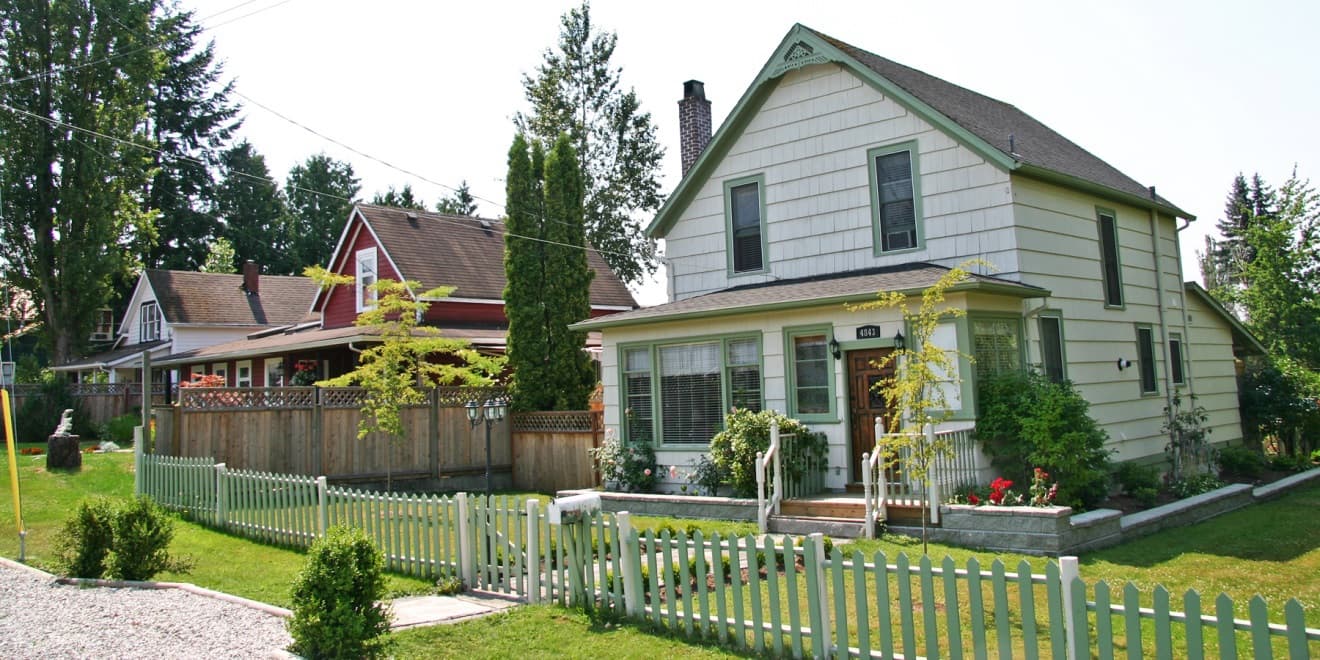
Refinancing in Langley
The value and type of property can affect how much equity is available and which lenders may be a fit.
Understanding Home Equity
Your home value and your usable equity are not the same number.
In many refinance situations, the total mortgage can generally be structured up to 80% of the lender's accepted property value, subject to qualification and lender requirements.
From that amount, the existing mortgage and anything else being paid from the refinance still need to be accounted for. The remaining room is what may be available for the reason you are refinancing.
A strong property value does not automatically mean the full amount of equity can or should be borrowed.
Simple Illustration
This is an illustration only. Qualification, property type, lender requirements, payouts, and refinance costs can change the amount available.
Property Value
The refinance has to work with the value the lender accepts.
The amount you believe your property is worth and the value used by the lender are not always the same. A refinance may involve an appraisal, automated valuation, or another lender-approved method of confirming value.
In Langley, property type can add another layer. Acreages, agricultural properties, manufactured homes, multiple buildings, unusual improvements, or rural servicing may require a more detailed review.
What Happens If the Appraisal Is Low?Why Value Matters
A change in value changes the available room.
In this example, the lower accepted value reduces the potential refinance amount by $40,000.
It is better to find that out before building the rest of the refinance plan around money that may not be available.
Real-Life Refinance Situations
The mortgage should be built around the problem you are trying to solve.
Two homeowners with the same amount of equity may need completely different refinance strategies. The goal, amount, timing, property, and longer-term plan all matter.
Debt Consolidation
Compare higher-interest debt with a mortgage-based solution while looking at the total cost and repayment period.
Explore RefinancingRenovations or Major Repairs
Determine how much funding is actually needed and whether adding it to the mortgage makes sense.
Explore Renovation FinancingBuying Another Property
Review whether equity could support another down payment and whether the existing and future properties can be carried together.
See Refinance Before BuyingSeparation or Changing Ownership
Explore the mortgage side of keeping a property, paying out another owner, or restructuring the financing after a separation.
See Separation & DivorceRefinance Costs
The cost of changing the mortgage belongs in the decision.
A refinance can solve a financial problem and still be the wrong move if the cost of making the change outweighs the benefit.
That is why I want to look at the penalty, fees, new payment, amortization, and longer-term interest before deciding whether to proceed.
Sometimes refinancing now makes sense. Sometimes waiting is the better answer.
Mortgage Penalty
Breaking a mortgage before the end of its term can create a prepayment penalty. The amount depends on the existing mortgage and lender.
Appraisal or Valuation
The lender may require an appraisal or another acceptable valuation method, particularly when the property needs a closer review.
Legal and Discharge Costs
Changing lenders or registering a new mortgage may involve legal, title, discharge, registration, or administrative costs.
Lender or Broker Fees if Required
Some refinance solutions may involve lender or broker fees. Any applicable costs should be understood before proceeding.
Refinance Example
The amount available and the amount you need are two different questions.
Imagine a Langley homeowner wants to consolidate debt and complete some planned improvements to the property.
Property & Mortgage
What They Want to Accomplish
The homeowner may have considerably more equity than they actually need to use. The goal is not to borrow the maximum. It is to build a refinance that solves the problem without creating a bigger one.
Example for illustration only. Actual qualification, mortgage amount, costs, rates, property value, and lender requirements will vary.
Refinancing Resources
Keep going with the part of the refinance you need to understand.
You can work through the numbers, learn more about the process, or explore a mortgage situation that looks similar to yours.
Refinancing Guide
Understand the full refinance process
Go deeper into equity, qualification, penalties, debt consolidation, renovations, costs, and refinance planning.
Read the Refinancing GuideMortgage Tool
Run the refinance numbers
Estimate a new mortgage amount and compare how the payment may change after refinancing.
Use the Refinance CalculatorMortgage Scenario
Refinancing before buying another property
Learn how accessing equity for another purchase can affect the current mortgage, down payment, and qualification.
Explore Refinance Before BuyingMortgage Scenario
What happens when the appraisal comes in low?
Understand why lender value matters and what options may remain when an appraisal changes the financing plan.
Read the Low Appraisal GuideIf you already know what you're hoping the refinance will do, you don't need to research everything first.
Tell Me What You're Trying to DoLangley Refinancing Questions
Questions homeowners often have before refinancing.
Mortgage Refinancing in Langley
Not sure whether refinancing actually makes sense?
Tell me what you're trying to accomplish. We can look at the mortgage, property, equity, costs, and qualification before deciding whether changing the mortgage is worth it.
See If Refinancing Makes SenseWe can start with:
What your property may be worth
How much equity may be available
What the current mortgage may cost to change
Whether refinancing actually improves the plan
You don't need to know the mortgage amount or which lender you need before we start.